How nails grow — and how long it takes
Nails grow continuously from the matrix beneath the cuticle. A healthy adult fingernail grows roughly 3mm a month, meaning it can take 4–6 months for a fingernail to grow out completely. Toenails grow much slower — often 12–18 months. Because growth is slow, any change to how nails look takes months to become fully visible.
Common causes of brittle or discoloured nails
- Gel or acrylic polish removal: repeated filing and soaking can thin and weaken the nail plate.
- Dryness and exposure: frequent washing, detergents and cold weather strip moisture from nails and cuticles.
- Injury: trauma to the nail bed can cause bruising, ridges or temporary discoloration.
- Ageing: nails tend to become thinner and more brittle over time.
- Other conditions: certain skin conditions, nutritional deficiencies or medications can affect nail appearance.
- Infection: fungal nail infection can cause thickening, crumbling and yellow or brown discoloration.
What fungal nail infection is — and why it needs a pharmacist or GP
Fungal nail infection (onychomycosis) is a common condition caused by fungi that grow under or within the nail plate. It typically makes nails thickened, crumbly and discoloured (yellow, brown or white), and can sometimes be painful. It is especially common in older adults and people with diabetes, poor circulation or weakened immunity.
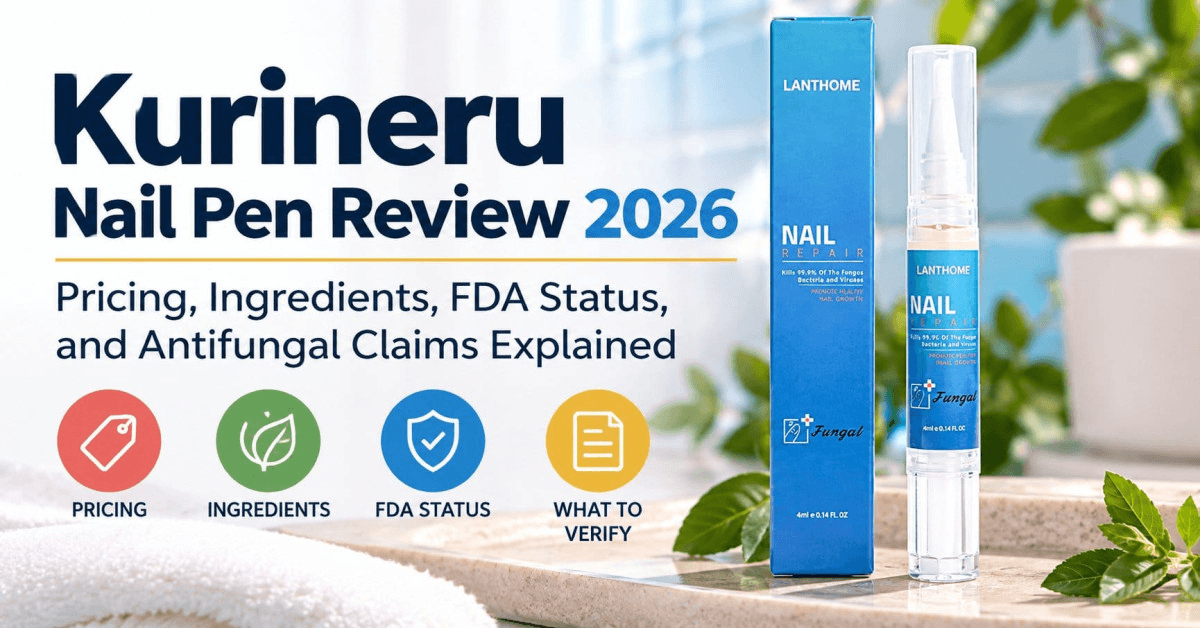
Effective treatments for fungal nail infection are available through pharmacists and GPs, including topical and oral medicines. These require proper diagnosis and, in some cases, prescription. Kurineru is a cosmetic nail care product and is not a treatment for fungal nail infection or any other medical condition.
When to see a GP or pharmacist
You should seek professional advice if you notice any of the following:
- A new dark streak or dark area under a nail that wasn't caused by injury.
- Pain, swelling, redness or pus around the nail.
- Diabetes, poor circulation or a weakened immune system, alongside nail changes.
- Suspected nail infection — a pharmacist or GP can confirm the cause and recommend appropriate treatment.
Licensed treatments for fungal nail infection are available via a pharmacist or GP. This page does not discourage seeking those treatments.